
Leading Foundation Repair Supplies For Professional Results
Explore high-quality materials and tools trusted by contractors to achieve reliable and lasting foundation repairs.
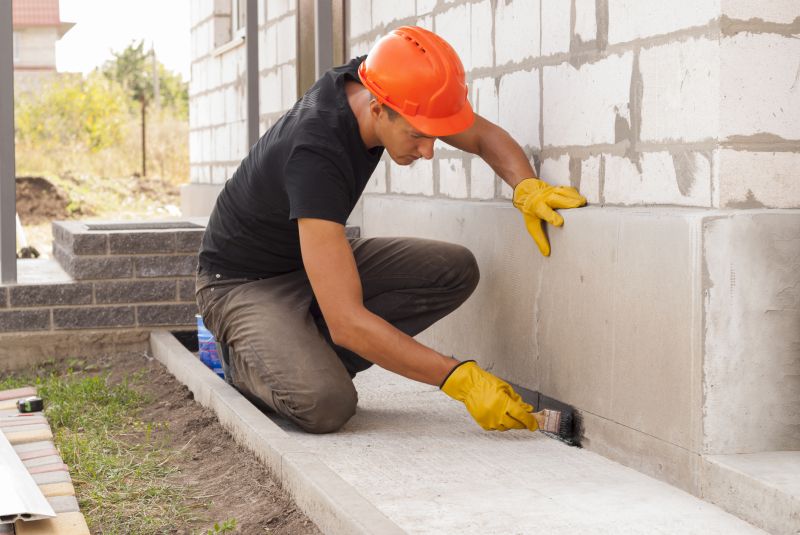 Foundation repair is a critical aspect of maintaining structural integrity in buildings, especially in regions like Raleigh, NC where soil conditions and weather patterns can influence foundation stability. When signs of foundation issues appear, such as cracking walls, uneven floors, or sticking doors, it is important to explore a range of products designed to address these concerns effectively. These products serve various functions, from stabilizing the foundation to preventing further movement, and are available in multiple forms to suit different repair needs.
Top Overall Option
Polyurethane Injection Kits
Polyurethane injection kits are versatile solutions commonly used to lift and stabilize foundations by filling voids and cracks. They expand upon application, providing immediate support and sealing leaks. These kits are suitable for addressing minor to moderate foundation issues and are appreciated for their ease of use and quick curing times.
Types of Products For Foundation Repairs
Piering Systems
Piering involves installing supports beneath the foundation to transfer weight to stable soil or bedrock, helping to correct settlement issues.
Slab Jacking Materials
Also known as mudjacking, these materials lift and level sunken concrete slabs using a mixture of cement, sand, and other additives.
Hydraulic Push Piers
Hydraulic push piers are driven into the ground to stabilize and lift sinking foundations, suitable for deep-seated issues.
Helical Piers
Helical piers are screwed into the ground to provide support for foundations with challenging soil conditions.
Carbon Fiber Reinforcement
Carbon fiber strips are bonded to walls to reinforce cracks and prevent further movement.
Crack Sealants
Specialized sealants fill and seal cracks in walls and floors to prevent water intrusion and further deterioration.
Soil Stabilizers
These products improve soil strength and reduce shifting beneath the foundation, enhancing stability.
Waterproofing Membranes
Applied to basement walls and foundations, waterproof membranes help prevent water infiltration and related damage.
Drainage Systems
Proper drainage solutions direct water away from the foundation, reducing soil moisture fluctuations.
Underpinning Materials
Underpinning involves extending the foundation depth using various materials to provide additional support.
Grouting Solutions
Grouting fills voids and consolidates loose soil or rock beneath the foundation.
Vapor Barriers
Vapor barriers prevent moisture migration through foundation walls and floors.
Concrete Patching Compounds
Used to repair surface cracks and deterioration in concrete slabs and walls.
Anchor Bolts
Anchor bolts secure framing to the foundation, providing additional stability.
Drainage Matting
Drainage matting enhances water flow away from the foundation to reduce moisture-related issues.
Soil Moisture Control Products
These include moisture barriers and soil moisture control systems to maintain consistent soil conditions.
Popular Choices
Widely used for sealing cracks and lifting slabs, these kits are favored for their quick application and minimal disruption.
Commonly selected for deep foundation stabilization, these piers are known for their strength and reliability.
Popular for challenging soil conditions, helical piers are valued for their ease of installation and versatility.
Effective for sealing small to medium cracks, these sealants help prevent water intrusion.
Essential for basement waterproofing, these membranes are frequently chosen for their durability.
Proper drainage solutions are often implemented to protect foundations from water-related issues.
A non-invasive option for crack reinforcement, carbon fiber strips are increasingly popular.
Used to improve soil bearing capacity, these products are trending in foundation repair projects.
Commonly installed in basements, vapor barriers help control moisture migration.
Frequent in surface repairs, these compounds restore concrete integrity.
Regularly used to reinforce structural connections to the foundation.
Increasingly adopted to improve water flow and reduce foundation moisture issues.
Choosing the right products for foundation repair involves understanding the specific issues affecting a property. Some solutions are suitable for minor settling, while others are designed to handle more significant foundation shifts. Proper assessment by a qualified professional can help determine the most appropriate approach. It is also essential to select products that are compatible with the existing structure and soil conditions, ensuring long-term stability.
In addition to repair products, there are preventative options that can help mitigate future foundation problems. These include waterproofing systems, soil stabilization materials, and drainage enhancements. Investing in the right combination of products can extend the lifespan of a building’s foundation and reduce the need for extensive repairs down the line. As always, consulting with experienced contractors or foundation specialists ensures the selected products meet the specific needs of the property and local conditions in Raleigh, NC.
Key Buying Considerations
- Assess the specific foundation issue to determine the most suitable product type.
- Consider the soil conditions and how they may influence product effectiveness.
- Evaluate the size and extent of the damage to select appropriately sized solutions.
- Look for products with proven durability and compatibility with existing structures.
- Check the ease of installation and whether professional assistance is recommended.
- Review manufacturer instructions and warranty options for peace of mind.
- Consider the long-term maintenance requirements of the chosen products.
- Ensure products are suitable for the local climate and weather patterns in Raleigh, NC.
- Determine if the repair approach is minimally invasive or requires extensive work.
- Compare costs and benefits to find options that fit your budget and needs.
- Verify that the products meet relevant safety and building code standards.
- Think about potential future repairs and whether the product can be easily updated or replaced.
- Consult with foundation repair specialists for expert recommendations.
- Review customer feedback and product ratings for insights into performance.
- Assess the availability of replacement parts or supplementary products.